



Post-Admission Steps for Students in Europe
Receiving admission from a European university is a major achievement for many students. Whether the destination is Germany, Italy, France, Spain, Hungary, Poland, or another Schengen country, the acceptance letter often feels like the hardest step has already been completed.
In reality, university admission is only the beginning of a much larger process. After enrolment, students must still prepare for visa procedures, financial documentation, accommodation, insurance, and relocation planning. Many students underestimate how important this stage is and only realize later how detailed the process can become.
Preparing correctly after receiving admission can make the transition to Europe much smoother and significantly reduce the chances of delays or visa complications.
Why the University Admission Letter Matters
The university acceptance or enrolment letter becomes one of the most important documents during the student visa process. European embassies carefully review this document because it confirms that the student was officially accepted into a legitimate academic program.
The letter usually includes important information such as the study program, tuition fees, course duration, and semester start date. Students should carefully review every detail before submitting it to the embassy. Even small mistakes in names, passport numbers, or dates can later create unnecessary problems during visa processing.
Many students become so excited after receiving admission that they forget to verify whether all information is correct. Taking time to check documents properly at this stage can prevent major delays later.
University Admission Does Not Automatically Mean Visa Approval for Students in Europe
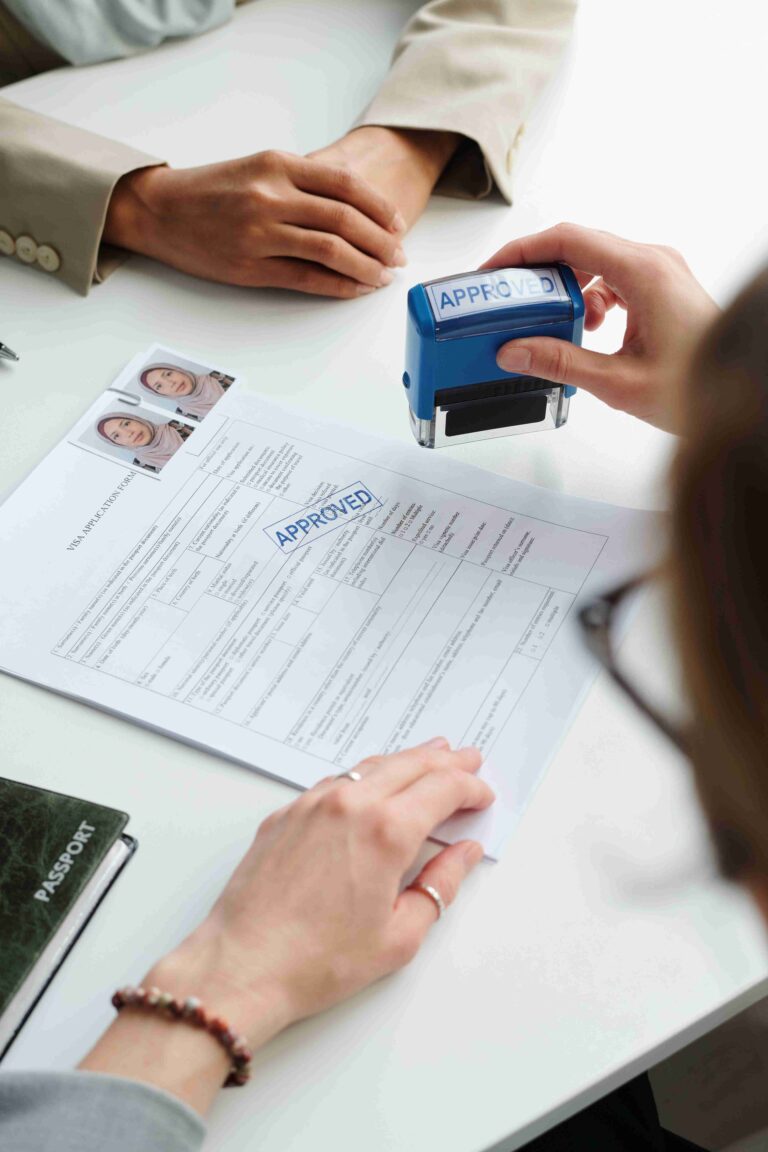
One of the most common misunderstandings among students is thinking that university acceptance guarantees entry into Europe. In reality, admission and visa approval are completely separate procedures.
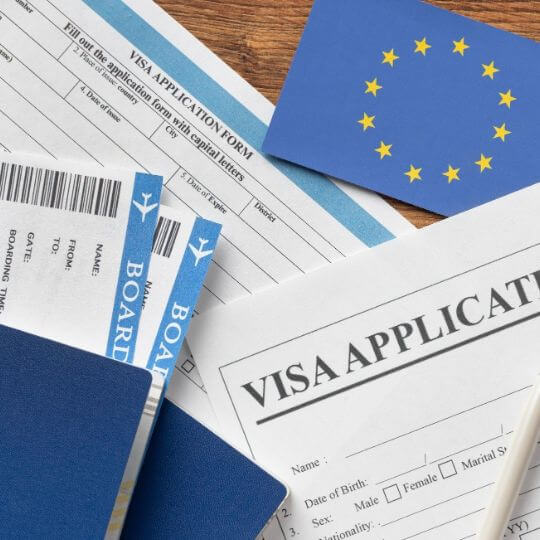
Most students still need to apply for a National Visa (Type D) before traveling to the Schengen area for studies. After arriving in Europe, students in many countries must also apply for a residence permit.
Each country has its own system and requirements. Germany, Italy, France, Spain, and other Schengen countries all process student visas differently, which is why students should carefully study embassy-specific requirements instead of relying only on general online advice.
Financial Documents Become Extremely Important
After admission, one of the biggest concerns for most students becomes financial proof. European embassies want to see that the student can realistically support themselves while studying abroad.
This is where many applications become complicated. Embassies carefully examine bank statements, sponsors, scholarships, tuition payments, and proof of living expenses. Some countries, such as Germany, may require a blocked account, while others focus more heavily on sponsorship documents or monthly income evidence.
Weak or unclear financial documentation is one of the most common reasons student visas are delayed or refused. Students should avoid last-minute transfers, unexplained deposits, or inconsistent financial records because embassy officers often review these details very carefully.
Finding Accommodation Before the Visa
Another stressful part of the process is accommodation. Most embassies require students to show where they plan to live after arriving in Europe.
Some students stay in university dormitories, while others rent apartments or temporary accommodation. The problem is that housing near universities becomes very competitive before semester start dates, especially in large European cities.
Many students wait too long before searching for accommodation and later struggle to find suitable housing within their budget. Starting the search early can save both money and stress.
Health Insurance Is Mandatory for Students in Europe
Health insurance is another requirement students should not ignore. European countries usually require students to have valid insurance coverage before issuing the visa.
At the beginning, many students use travel insurance, but after arrival they may need to switch to local student insurance depending on the country’s regulations. Insurance requirements vary, but the coverage normally includes emergency medical treatment and hospitalization.
Incomplete or invalid insurance documents can create unnecessary delays during the visa process.
Students Often Underestimate Document Preparation
One of the most frustrating parts of the process for many students is preparing official documents correctly. Depending on the country, students may need translated, notarized, apostiled, or legalized versions of important paperwork.
This can include diplomas, transcripts, birth certificates, and police clearance documents. Because these procedures sometimes take longer than expected, students who start early usually experience far fewer problems later.
Waiting until the last moment often creates panic, especially close to embassy appointment dates.
Visa Interviews Can Be More Important Than Expected
Some European embassies may invite students for a visa interview before making a final decision. These interviews are usually straightforward, but preparation still matters.
Embassy officers often want to understand why the student chose a particular university and whether the study plans are realistic. They may ask about future goals, financial sponsors, accommodation plans, or long-term intentions after graduation.
Students in Europe who answer clearly and confidently usually create a much stronger impression than those who appear uncertain or unprepared.
Moving Students to Europe Requires More Than a Visa
After receiving visa approval, students still need to prepare for daily life in Europe. Many only begin thinking about practical matters after arrival and quickly realize how different things can be.
Opening a bank account, using public transportation, registering an address, understanding healthcare systems, and adapting to cultural differences all become part of student life abroad.
Language barriers can also become challenging, especially outside major international cities. Even students studying in English-speaking programs often discover that daily life still requires some knowledge of the local language.
Working While Studying
Many students in Europe hope to work part-time while studying in Europe. In most Schengen countries, students are allowed to work limited hours during their studies.
However, students should understand that part-time jobs are usually intended as additional support rather than primary financial stability. Embassies still expect students to show sufficient financial resources before granting the visa.
Relying entirely on future employment opportunities during the visa application stage is generally considered risky.
Final Thoughts
Receiving admission from a European university is a huge step toward building an international future. However, the period after enrolement is often where the real preparation begins.
Student visas, financial proof, accommodation, insurance, translations, and embassy procedures all require careful organization. Students who prepare early and stay realistic about the process usually experience a much smoother transition into their academic life in Europe.
For many students, studying in a Schengen country becomes not only an educational opportunity, but also a life-changing personal experience.